US Opens Iran's Crypto Sector to Broader Sanctions as Bitcoin Tops $80,000
Treasury's Operation Economic Outcast targets nearly 60 people, entities and vessels and threatens Iran's trading partners with the loss of dollar access.
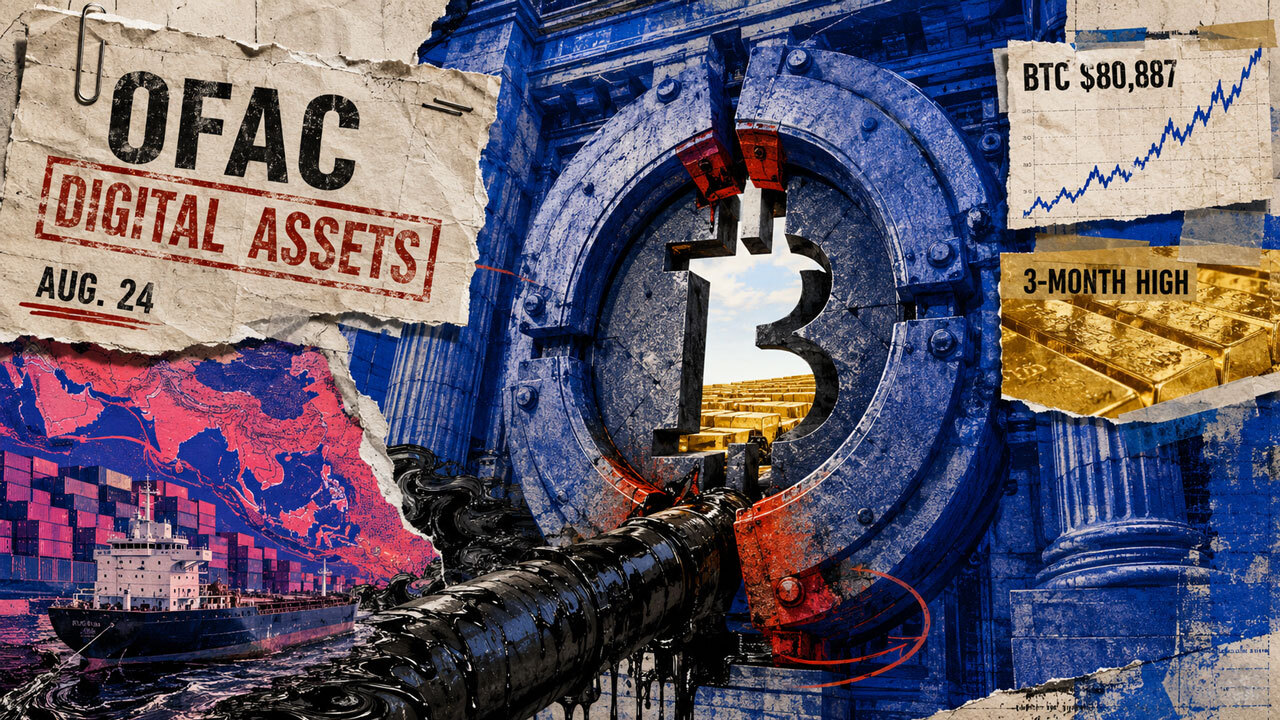
The US Treasury has widened its power to sanction Iran's digital-asset industry and warned that foreign firms handling Iranian money could be cut off from the dollar system, CryptoSlate reported.
Treasury Secretary Scott Bessent launched the campaign, named Operation Economic Outcast, on 24 August. It imposed sanctions on nearly 60 individuals, entities and vessels and exposed five Iranian sectors to wider measures, covering digital assets, technology and gold as well as aviation and shipping.
According to Treasury, the push would increase secondary-sanctions exposure for foreign companies that keep doing business with Tehran. Bessent made the threat concrete, saying entities that help launder Iranian funds would lose access to the US dollar system.
How the crypto measures work
The digital-asset element rests on Executive Order 13902. Under it, the Office of Foreign Assets Control (OFAC) can now designate any person, wherever they are based, who operates in Iran's digital-asset sector. The same reach applies to the other four sectors named in the action.
That extends an existing framework in which Iranian exchanges such as Nobitex were already treated as financial institutions. Overseas banks that handle significant Iran-linked transactions risk being sanctioned themselves or having their access to US correspondent banking curtailed.
Among those designated was Ivan Obukhov, a Ukrainian national based in the UAE who, according to the report, acts as a broker for Iran's shadow fleet. He allegedly handled more than $100m in crypto payments since 2023 for oil sales benefiting the IRGC-Quds Force. OFAC also sanctioned his company, Foscom FZE.
Iranian cyber actors were targeted too. One of them, Arman Kahzadian, allegedly took control of a wallet holding more than $30,000 in bitcoin in 2023.
The China test
China is Iran's largest oil buyer, which makes it the clearest test of how far Washington is prepared to go. Bessent held back from immediately sanctioning major Chinese financial institutions, saying countries would first be given time to change their behaviour. Asked why, he questioned why he would want to "blow up the global financial system".
Beijing was unmoved. Foreign ministry spokesman Lin Jian described China's dealings with Iran as legitimate under the law and said Beijing would act as needed to defend its interests.
In Tehran, parliament speaker Mohammad Bagher Ghalibaf argued that the US lacked the economic standing to restrict other countries further. President Masoud Pezeshkian acknowledged that citizens faced many difficulties after sanctions and nearly six months of conflict. Iran has vowed to retaliate.
Bitcoin, gold and the dollar
The announcement landed as bitcoin rose as high as $80,887 on 25 August, its strongest level since mid-May, taking its gain for the month to 27%. Gold reached a three-month high.
CryptoSlate was careful not to credit the sanctions for those moves. It had previously linked the rally mainly to a weaker dollar, Treasury buybacks of long-dated debt, broader optimism in crypto and demand for alternative assets.
The longer-running argument is about precedent. When the US and its allies immobilised roughly $280bn of Russian sovereign assets after the invasion of Ukraine, most of it held in Europe, it showed that reserves kept in Western jurisdictions could become inaccessible. Bitwise chief investment officer Matt Hougan has argued that the freeze accelerated demand for both gold and bitcoin.
Central banks bought more than 1,100 tonnes of gold in 2022 and more than 1,000 tonnes in 2023, according to the World Gold Council. Geopolitics is only part of that story, however: inflation, interest rates and currency moves also played a role.
What to watch
In the near term, the measures are more likely to restrict Iran-linked crypto activity than to encourage it, as exchanges, brokers, stablecoin issuers and banks tighten their compliance checks.
The broader question is whether Washington's habit of wielding dollar access as a tool of foreign policy gradually pushes governments and investors towards assets beyond the reach of the conventional financial system. The answer will depend partly on whether Treasury follows through against Chinese lenders, and on how Beijing responds if it does.
More from peatpost
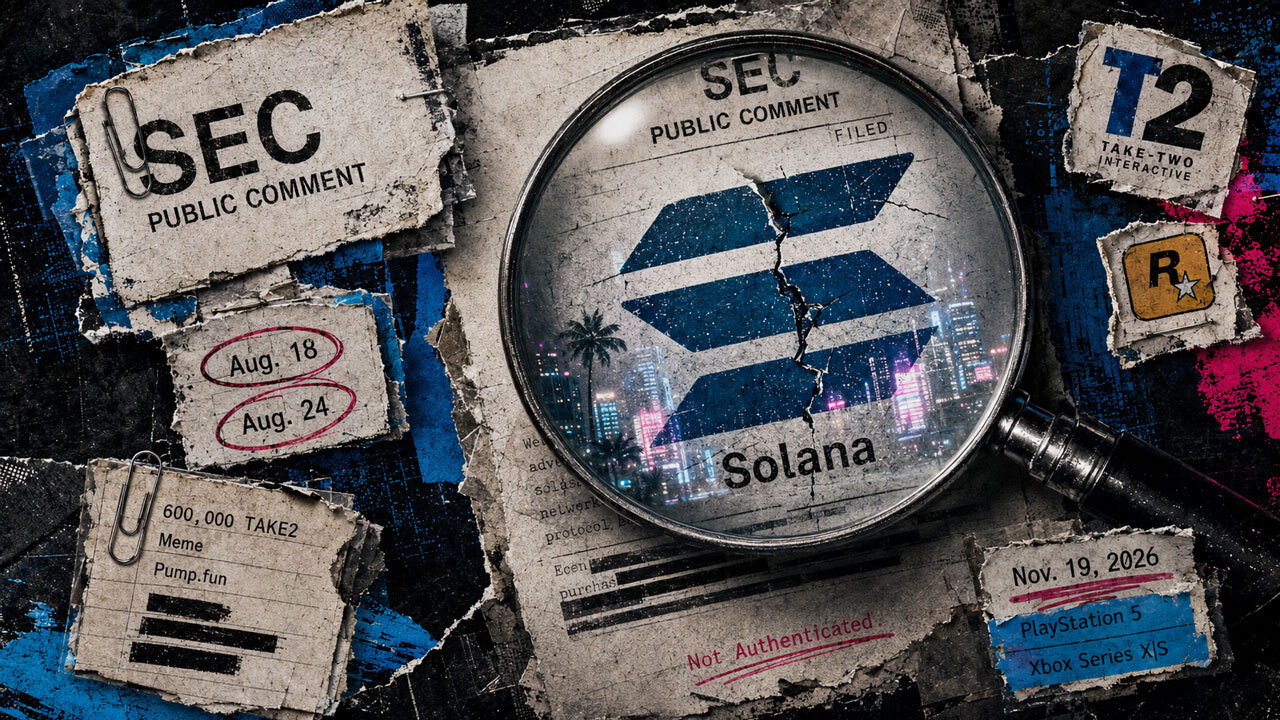
Someone Filed 'GTA VI Token' Proposals With the SEC Under Take-Two's Name — and a Memecoin Moved
Two PDFs on an SEC docket describe a Solana-based 'Sharkbux' currency with Rockstar branding. Nothing about them is verified, which hasn't stopped traders.
DGrid's AI Token Nearly Doubles on Debut as Its Decentralized Inference Network Goes Live
DGAI hit a $110 million market cap on day one, and the project says it sold 140+ of its personal AI hardware boxes within hours.
Cypher Tank Returns to Lugano With Bigger Stakes for Bitcoin Founders
Season two of the Shark Tank-style pitch series expands to 12 finalists and three $100,000 prizes, after a debut that drew 4,000 participants from 64 countries.
Discussion
0 commentsNo comments yet — be the first to weigh in.