Robotaxi Test Drivers Are Getting Hurt as the Fleets Scale
More than two dozen injuries in 2024 and 2025 from hard braking and sudden swerves. Some workers were sidelined for months.
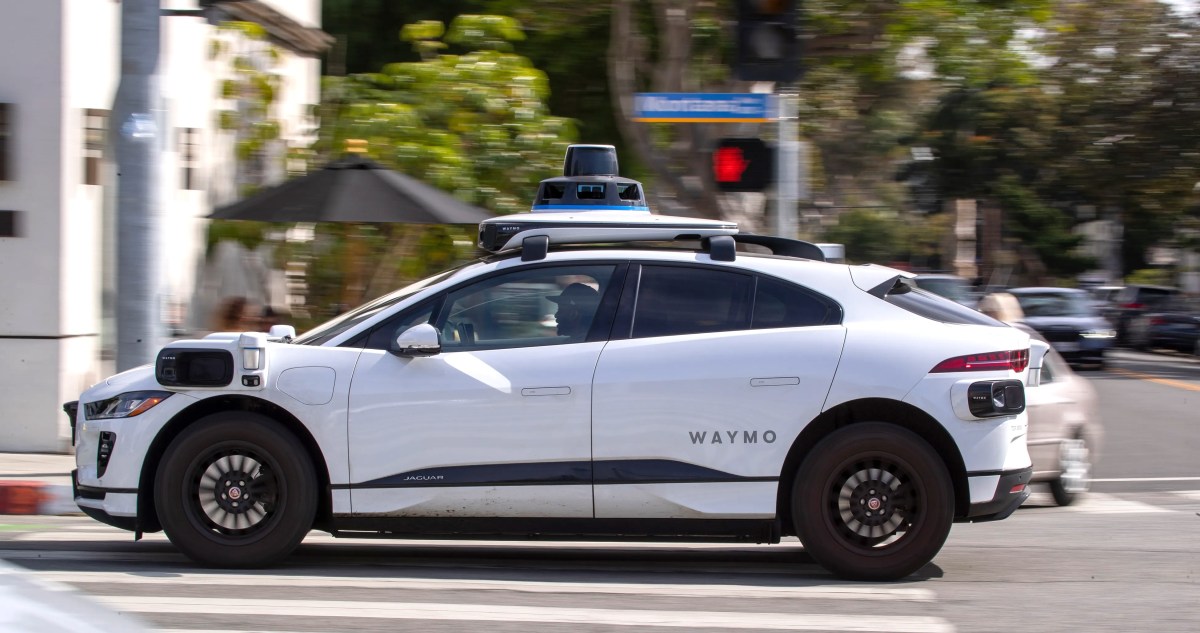
The rapid scaling of robotaxis over the past two years has carried a hidden human cost.
Test drivers for Waymo and Zoox sustained more than two dozen injuries during 2024 and 2025 caused by hard braking or other sudden movements made by the autonomous vehicles, according to a TechCrunch review of data submitted to the Occupational Safety and Health Administration.
The injuries
These are the workers who put autonomous vehicles through their paces on public roads. They have suffered sprains, strains and whiplash, according to the OSHA data and interviews with current and former employees, and some have been sidelined for weeks or months.
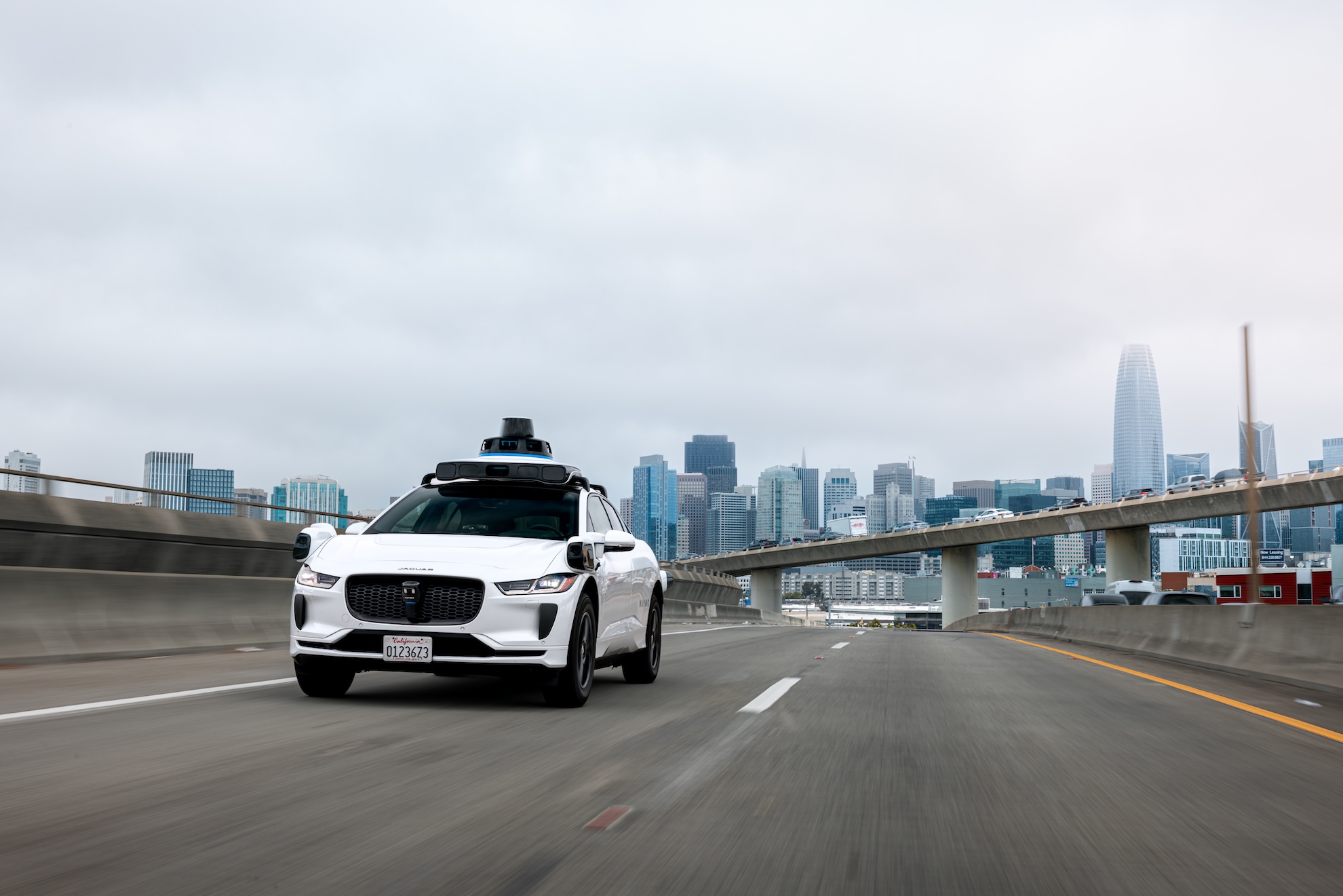
Transdev, which employs and manages Waymo's test drivers, reported 16 injuries tied to Waymo depot locations across three cities, caused by the autonomous software braking hard or swerving suddenly. Zoox reported as many as eight worker injuries linked to hard braking.
Why only two companies appear
Other autonomous vehicle companies do not show up in the dataset, though it is possible they are exempt. The Waymo and Zoox injuries appear because those companies classify them in a way that requires reporting.
That is an important caveat and it cuts against the intuitive reading. The presence of two firms in the data does not establish that their vehicles brake harder than anyone else's; it establishes that they record and report these events as workplace injuries. A company that classified the same incident differently would be invisible here.
This is a recurring difficulty with occupational safety data across any emerging industry — the numbers measure reporting practice at least as much as they measure harm.
The uncomfortable trade-off
Hard braking is not straightforwardly a defect. An autonomous system that stops abruptly for an ambiguous obstacle is behaving conservatively, and conservatism is what regulators and the public have demanded.
The safety case for these vehicles rests on their willingness to react faster and more decisively than a human would. The occupants absorb the consequence of that decisiveness, and during testing the occupant is an employee doing it for eight hours a day.
A passenger experiences one unnecessary emergency stop as a startling moment. A test driver experiences it as a repeated occupational exposure, which is a different category of risk entirely and one the industry has not obviously planned for.
What scaling changes
The number of injuries has risen with the size of the programmes, which is unsurprising in absolute terms and is the point worth watching in relative ones.
As fleets expand, more people spend more hours in vehicles that are still learning. If the per-hour rate is not falling as the software improves, that is a signal about the maturity of the systems that no amount of aggregate mileage will reveal.
An occupational category that did not exist
Autonomous vehicle test driving is a genuinely new job, and the safety framework around it was not designed with this hazard in mind.
Vehicle occupant protection assumes crashes: airbags, crumple zones, belt geometry tuned for a collision. None of it addresses repeated exposure to sub-crash deceleration, which is what produces whiplash and strain injuries. The relevant precedents are closer to those covering bus drivers or emergency responders than to anything in automotive regulation.
What could be done
The mitigations are not exotic — seat and restraint design suited to frequent hard braking, shift-length limits, rotation between vehicles and depot duties, and reporting that treats each event as recordable rather than routine.
What is missing is the obligation to apply them. Until an occupational standard exists for this role, each company decides for itself how much sudden deceleration a person should absorb in a working day, and the data suggests those judgements are currently being made informally.
More from peatpost
The French Disruption: How Microsoft’s $3 Billion Bet on Mistral AI Is Rewriting the Rules of Artificial Intelligence
Microsoft invests $3 billion in Mistral AI. The startup’s performance surges 70%, challenging ChatGPT’s dominance.
Cato Institute Warns a Government AI Pause Would Shield Dominant Firms
Policy scholar Jennifer Huddleston argues voluntary safeguards beat a mandated halt, as Sanders and Casar push a pause and Jack Dorsey warns against rules built for incumbents.
The AI Industry Says You Have Months. It Did Not Say What It Will Do.
More than 100 companies set out a four-part plan for surviving AI-enabled attacks on hospitals and water plants — with no commitments, deadlines or funding attached to their own part of it.
Discussion
0 commentsNo comments yet — be the first to weigh in.