World Brings Iris-Based 'Proof of Human' Badges to Zoom Enterprise Calls Globally
The Sam Altman-backed project's World ID for Zoom checks Orb iris data, a live selfie and the video feed before marking a participant as a verified human.
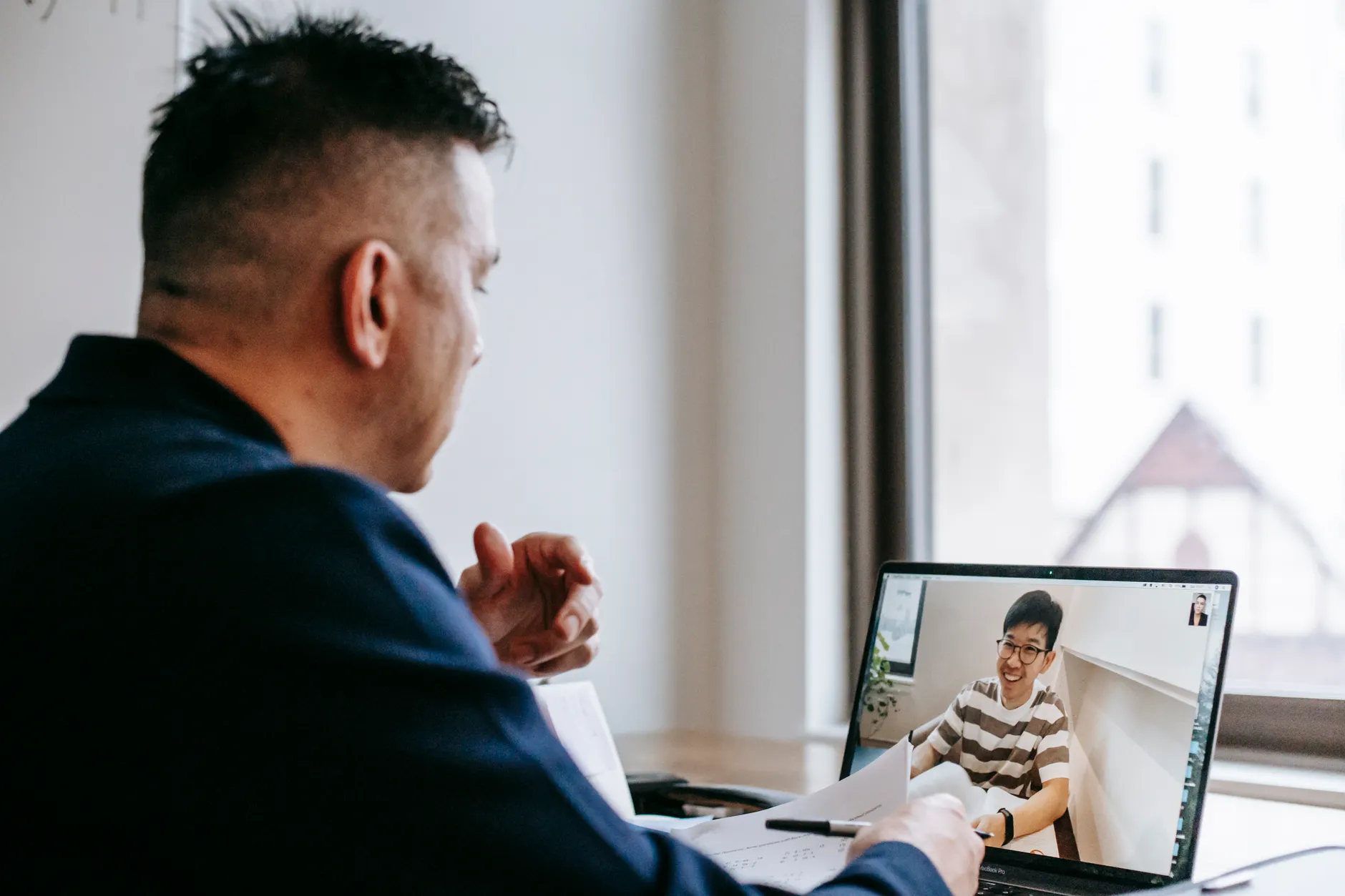
World, the identity project backed by Sam Altman, has made its biometric verification tool for Zoom available to enterprise customers worldwide. The tool lets meeting participants show a badge confirming that a real person, not an AI-generated imitation, is on the call.
The launch, announced on Sunday, places World ID for Zoom in the Zoom Marketplace. It is aimed at organisations worried that video conferencing has become an easy route for fraud built on deepfakes.
How the badge works
The system relies on three pieces of evidence. The first is an image taken by World's Orb, a device that scans a person's iris. The second is a live selfie. The third is the participant's video feed during the meeting.
According to Cointelegraph, World compares the three. If they match, a Human Badge appears on the participant's tile. Other people in the meeting can see it.
The design tries to link a face on screen to a verified person, rather than just to an account. Ordinary video calls rely on login details and visual recognition. A participant is trusted because they joined from a known email address and look and sound like the person expected. Generative AI has made both of those signals much easier to fake.
By tying the badge to an in-person iris scan, World is betting that a physical enrolment step will be harder to forge than anything that happens purely in software.

From beta to global rollout
World first announced the Zoom integration in April. At that stage it was in limited beta testing with VanEck Funds, the asset management group.
The feature is now open to Zoom enterprise customers globally. Bain Capital, Pantera Capital and several other finance groups have been identified by World as early design partners for its broader identity verification technology.
The list of partners shows where World sees early demand. Investment firms, private equity houses and crypto-focused funds handle large transfers, confidential deal talks and instructions that can move money quickly. A convincing fake executive on a video call could be expensive for them.
In a statement cited by Fortune, World said the product was built to protect "sensitive, high-stakes conversations" by proving a real and unique human is present.
Why deepfake fraud has become a boardroom issue
The rollout follows a run of high-profile cases in which AI-generated impersonation was used against companies.
In 2024 an employee at Arup, the engineering firm, transferred about $25m after fraudsters posed as senior executives during a video conference. The case is often cited as a turning point. It showed that a multi-person video call, long seen as more reliable than an email or phone request, could itself be the weak point.
Hackers thought to have ties to North Korea staged bogus Zoom calls in February, using doctored video to pose as other participants. Their aim was to trick crypto and fintech companies into installing malware. Here the deepfake was not used to request a payment directly. It was used to build enough trust to get a target to run malicious software.
Cointelegraph also linked the launch to reports of a new AI cybercrime tool that uses deepfakes to target know-your-customer systems at crypto firms and banks. Those systems often depend on selfies or short videos to confirm identity, so they face similar pressure.
Taken together, the cases point to a broader shift. Video was once treated as strong evidence that a person was who they claimed to be. That assumption is now harder for security teams to defend.
The case for and against biometric badges
World's case is simple. If software can fake a face and voice in real time, verification needs to be anchored in something outside the call. An iris scan captured on dedicated hardware, matched against a live selfie and the meeting feed, gives a stronger signal than a display name or a company logo in the background.
For companies, the attraction is a visible check inside a tool staff already use. It may also reduce reliance on informal habits, such as asking a colleague a personal question to confirm they are genuine.
There are clear limits and open questions, however.
The badge only helps if the relevant people have enrolled with an Orb. A finance employee being targeted needs the real executive to be verified, so that an unbadged impostor stands out. That depends on wide take-up within an organisation and, ideally, among its counterparties.
Biometric data is also sensitive. Asking staff to have their irises scanned raises questions about consent, data storage and how far employers can require such steps. Large organisations will want to review those issues with legal and privacy teams before rolling the tool out.
The approach also includes a live selfie check. That is the kind of control that, as the reports on KYC-targeting tools suggest, attackers are actively trying to beat. The extra Orb-captured image is meant to close that gap, but any verification system is likely to be tested by determined adversaries.
Finally, a badge confirms that a verified human is present. It does not confirm that their request is legitimate. Approval processes, payment controls and caution about unsolicited software downloads remain necessary. In the North Korea-linked incidents, the core harm came from malware installation, and that would need to be stopped by other defences.
What to watch next
The global availability on Zoom is a meaningful step for World. It moves its identity technology out of a consumer and crypto setting and into routine corporate workflows. Whether it becomes standard practice will depend on several factors:
- How many enterprise customers install the tool from the Zoom Marketplace and require it for sensitive meetings
- Whether design partners such as Bain Capital and Pantera Capital expand its use beyond pilots
- How regulators and privacy advocates respond to employers adopting iris-based verification
- Whether attackers find ways to bypass or imitate the badge itself
More broadly, the launch reflects a growing market for proving that a person is human online. As generative AI improves, demand for that kind of assurance is likely to spread from video calls to other channels where identity matters.
For now, World's move with Zoom is one of the most concrete attempts yet to rebuild trust in video meetings. Its success will depend less on the technology than on whether enough people are willing to step in front of an Orb to make the badge mean something.
More from peatpost
Nvidia Board Opens Independent Inquiry Into Jensen Huang After Chinese Spy Report
Directors say they see no sign that secrets were compromised, as Huang admits an affair, lawmakers demand answers and shares slip 5% before Monday's open.
AI Chip Stocks Rebound From Global Rout as Nvidia Gains 2.8%, but Bubble Fears Persist
A Friday relief rally left Nvidia and AMD well below their October peaks, as data centre politics and stress in AI debt markets keep investors uneasy.
Acurast Says 335,000 Smartphones Joined Its Network as Projects Pitch Phones as AI Computing Layer
Decentralised networks such as Acurast and Phase want idle phones to take on AI and web workloads, but sceptics argue the devices are better suited to gathering real-world data.
Discussion
0 commentsNo comments yet — be the first to weigh in.