Helios 'Community ICO' Structure Draws Regulatory Interest as Token Sells Off
The project's airdrop-to-the-highest-contributors model converted $78M of unpaid labor into tokens that promptly lost 70% of their value. The SEC has questions.

Helios, a decentralized data indexing protocol that distributed its native token via a six-month points program rather than a traditional sale, is now drawing regulatory attention after the token lost 70% of its value in the week following launch. The SEC's Division of Enforcement is understood to be examining whether the points program constituted an unregistered securities offering, according to two people familiar with the early-stage review.
The structure
Helios's launch mechanics were, by the standards of the current cycle, elaborate. Contributors earned points by performing specific actions — running indexer nodes, submitting data validations, referring new users — over a six-month period. At launch, points were converted to tokens on a sliding scale that rewarded earlier and larger contributors disproportionately. The top 100 contributors received tokens now worth (at pre-crash prices) approximately $78 million in aggregate.
The problem, from a securities law perspective, is that the points program's marketing heavily emphasized the expected value of the future token distribution. Several of the project's launch videos explicitly projected token price ranges. In the SEC's Howey analysis, an expectation of profit derived from the efforts of others is a core element of an investment contract.
"The word 'airdrop' has done a tremendous amount of work in this industry, most of it not particularly honest." — Gary Gensler, in remarks at a Georgetown Law conference last week
The post-launch economics
The token's crash since launch has complicated the picture for both the project and its contributors. Many of the largest contributors have sold aggressively, producing the price action. Some have reported being unable to sell at all because of insufficient liquidity in the secondary market. The combination — a labor-like extraction of value followed by a low-liquidity dump — is the specific pattern that has historically drawn regulatory attention.
The legal novelty
If the SEC pursues enforcement, the question of whether a points program constitutes an offering will be a genuinely novel legal question. There is no directly analogous precedent. The agency's prior enforcement activity against airdrops has focused on tokens distributed to purchasers of other tokens — a different fact pattern. The Helios model converts uncompensated labor into securities. Whether that conversion is a sale under the federal securities laws has not been tested in court.
- Six-month points program: $0 explicit cost to participants, substantial labor input
- Post-launch market cap at peak: approximately $1.1 billion
- Post-launch market cap, current: approximately $320 million
- Top 100 contributors: $78M pre-crash, approximately $23M current
Helios's team has declined to comment on the reports of regulatory interest. The broader industry's quiet position, according to several people at competing projects, is that the Helios model was always going to draw scrutiny sooner or later. The surprise is not that the review is happening; it is that it took this long.
More from peatpost
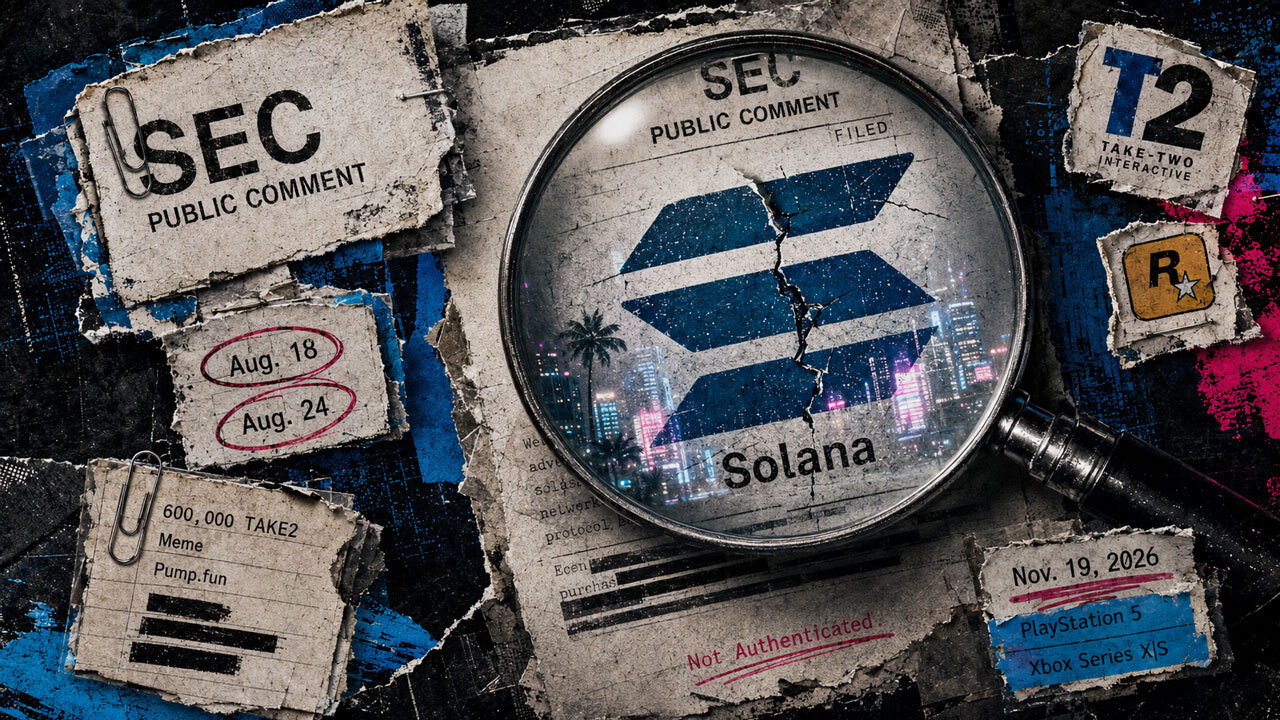
Someone Filed 'GTA VI Token' Proposals With the SEC Under Take-Two's Name — and a Memecoin Moved
Two PDFs on an SEC docket describe a Solana-based 'Sharkbux' currency with Rockstar branding. Nothing about them is verified, which hasn't stopped traders.
DGrid's AI Token Nearly Doubles on Debut as Its Decentralized Inference Network Goes Live
DGAI hit a $110 million market cap on day one, and the project says it sold 140+ of its personal AI hardware boxes within hours.

US Opens Iran's Crypto Sector to Broader Sanctions as Bitcoin Tops $80,000
Treasury's Operation Economic Outcast targets nearly 60 people, entities and vessels and threatens Iran's trading partners with the loss of dollar access.
Discussion
0 commentsNo comments yet — be the first to weigh in.